Journey to Sunder Nursery from East Delhi (Laxmi Nagar)

Last weekend, I finally ticked off a place that had been on my list for long – Sunder Nursery, Delhi’s heritage park near Nizamuddin East. I had often heard friends describe it as “a slice of paradise in the heart of the city,” but it was only when I went there with my family that I understood what they meant.
We started our journey from Laxmi Nagar, East Delhi. Hailing a taxi on a crisp morning, the city roads felt unusually calm. The drive itself was a little adventure – weaving through Delhi’s bustling streets, catching glimpses of early-morning vendors, the aroma of fresh parathas wafting from roadside stalls, and the grandeur of Humayun’s Tomb standing tall as we reached closer. Within about 40 minutes, the chaos of city life gave way to an oasis of calm as we entered the gates of Sunder Nursery.
Introduction: Why Visit Sunder Nursery Delhi?

The very first sight took my breath away. Manicured lawns stretched out in all directions, flowerbeds in full bloom splashed colors across the landscape, and ancient Mughal-era monuments stood as silent storytellers of time gone by. My sister was the most excited of us all; his eyes lit up as he spotted squirrels darting from one tree to another. My mom, on the other hand, was captivated by the sheer peace that hung in the air, far removed from Delhi’s usual chaos.
The place is massive – spread across 90 acres – and every corner feels carefully designed yet naturally alive. We started walking along shaded pathways lined with towering trees. Some of these trees were so old that their gnarled roots seemed to tell stories of centuries past. What I loved most was the balance: though the landscaping is neat, nature hasn’t been forced into boxes. Wild roots climb over ruins, birds nest undisturbed, and the air feels fresh and welcoming.
Exploring the Heart of the Nursery


The highlight for me was the lake inside the complex. We stopped there for a while, watching ducks gliding peacefully across the water and bright kingfishers darting in and out. My little sister insisted on sitting by the water’s edge, legs dangling, completely absorbed in the moment. As we rested there, I felt time slow down – the sound of water, the rustle of leaves, and the distant call of birds created a symphony of tranquility.
As we walked further, we came across different heritage monuments – beautifully restored Mughal tombs and structures. One of them, the Sunder Burj, is what lends the nursery its name. These monuments stand gracefully amidst the greenery, making the whole place feel like a living museum.
A Stroll Through History



For those who love history, Sunder Nursery is more than just a park. Built in the 16th century by the Mughals, it was originally called Azim Bagh. Later, when the British shifted their capital from Calcutta to Delhi in 1911, the site was revived by Alick Percy Lancaster, the last British horticulturist in India, who used it as an experimental ground for trees that would eventually line Delhi’s avenues.
But like many historic places, its glory faded after independence, when the nursery even became a refugee camp during Partition. It was only in 2008 that the Aga Khan Trust for Culture and the Central Public Works Department breathed new life into it as part of the Nizamuddin Urban Renewal Initiative. After a decade of work, Sunder Nursery reopened in 2018, and today it stands as one of the most beautiful heritage parks in the world.
Walking through it with my family, I couldn’t help but feel grateful that such spaces still exist in our concrete-heavy cities.
A Family-Friendly Escape

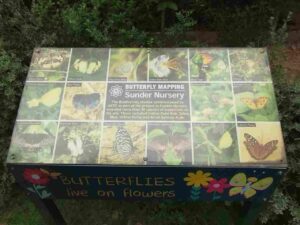
Beyond its history, Sunder Nursery is a space for everyone. My Father loved the flower beds, carefully curated with seasonal blooms. My sister found joy in chasing squirrels, spotting colorful butterflies, and playing in the dedicated children’s area. We even stumbled upon the Fab Cafe, a charming spot tucked inside the nursery, perfect for a tea break or light lunch. For those who prefer carrying their own food, picnic spots abound.
The place also hosts an organic market every Sunday, where locals shop for fresh produce and sustainable lifestyle products. It’s this blend of leisure, community, and heritage that makes Sunder Nursery truly unique.
Practical Tips for Visitors
- Entry Fee: Rs. 35 for Indian visitors, Rs. 100 for foreign tourists. Children below 5 enter free.
- Timings: Open daily – 7 am to 7 pm (April–September) and 7 am to 6 pm (October–March).
- Best Time to Visit: Mornings and late afternoons are perfect for walks. Avoid weekends if you dislike crowds.
- Facilities: Clean toilets, shaded benches, and water kiosks are available. Pets are welcome, but must be leashed. Smoking and alcohol are prohibited.
Why You Should Go
By the time we left, the sun was setting, casting a golden glow over the monuments and the lake. My sister was reluctant to leave, and honestly, so was I. Sunder Nursery isn’t just a park; it’s a rare space where history, nature, and tranquility coexist.
If you’re in Delhi and looking for a place to breathe, walk endlessly, and reconnect with both nature and heritage, Sunder Nursery is the answer. Whether you go with friends, family, or even alone, you’ll find corners to reflect, pathways to wander, and beauty at every turn.
It’s a reminder that amidst the ever-rushing pace of the city, pockets of peace still exist – you just have to know where to look.
What a beautifully written blog! I could actually imagine walking through the nursery while reading this. Loved the blend of history and personal experience!
This blog beautifully shows how Delhi still has peaceful corners amidst all the chaos. Your family trip sounds wonderful!